


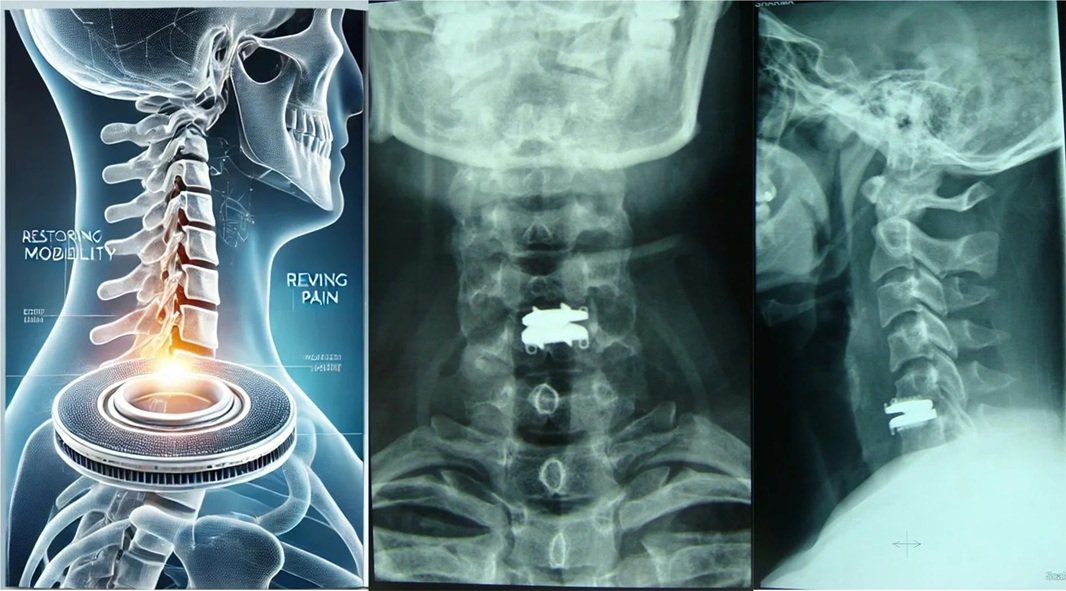
Neck pain that radiates into the arms, causes numbness, or interferes with everyday activities can seriously affect quality of life. While many people find relief through medication, physiotherapy, or injections, these treatments don’t always solve the problem. In such cases, surgical options may come into consideration.
One of the most advanced and motion-preserving procedures available today is cervical disc replacement.
What is Cervical Disc Replacement?
Cervical Disc Replacement (CDR), also known as cervical arthroplasty, is a surgical procedure in which a damaged or degenerated disc in the neck (cervical spine) is removed and replaced with an artificial disc.
Unlike traditional spinal fusion—which permanently joins two vertebrae and limits movement—disc replacement is designed to maintain natural motion in the spine. That’s a pretty big deal, especially for people who want to stay active.
How Does an Artificial Cervical Disc Work?
Modern artificial discs are engineered to mimic the natural structure and movement of a healthy spinal disc. Key features typically include:
- A mobile design that allows bending, rotation, and natural motion
- Bone-preserving techniques that minimize removal of healthy tissue
- The ability to treat one or even two adjacent disc levels in certain cases
The goal is simple: restore function while keeping the spine moving as naturally as possible.
Who Might Be a Candidate?
Not everyone with neck pain is a candidate, but cervical disc replacement may be suitable for individuals who:
- Are generally between 21 and 67 years old
- Experience neck pain along with arm pain, numbness, or weakness
- Have conditions such as:
- Herniated disc
- Degenerative disc disease
- Cervical spondylosis
- Have not improved after several weeks of non-surgical treatment
A thorough evaluation—including imaging like MRI or CT scans—is essential before making any decisions.
What Happens During the Procedure?
The surgery is typically performed under general anesthesia and involves:
- Making a small incision at the front of the neck
- Removing the damaged disc
- Relieving pressure on nerves or the spinal cord
- Inserting the artificial disc in its place
It’s a highly precise procedure, so choosing an experienced spine surgeon is crucial.
Risks and Considerations
Like any surgery, cervical disc replacement comes with potential risks, including:
- Infection or bleeding
- Nerve or spinal cord injury
- Temporary swallowing or speaking difficulties
- Implant-related issues such as wear or movement
- Bone formation that may reduce motion over time
That said, complication rates are generally low when the procedure is performed on the right candidates by skilled professionals.
Disc Replacement vs. Spinal Fusion
Here’s where things get interesting:
- Motion: Disc replacement preserves movement; fusion eliminates it
- Stress on nearby discs: Lower with disc replacement, higher with fusion
- Recovery: Often quicker with disc replacement
- Future surgeries: May be less common in certain cases with disc replacement
In short, fusion stabilizes the spine by restricting motion, while disc replacement aims to maintain a more natural feel and function.
Recovery and Outcomes
Most patients:
- Start walking within a day
- Return to light activities in a few weeks
- Resume normal routines sooner than with fusion surgery
Recovery varies from person to person, but many experience noticeable improvements in pain and mobility within weeks to months.
Final Thoughts
Cervical disc replacement represents a major step forward in treating chronic neck pain and nerve compression. By preserving motion and supporting a more natural spinal function, it offers an appealing alternative to traditional fusion—especially for those who want to stay active.
That said, it’s not a one-size-fits-all solution. The best outcomes depend on accurate diagnosis, proper patient selection, and surgical expertise.
If neck pain is sticking around longer than it should and conservative treatments aren’t cutting it, it may be time to consult a spine specialist and explore your options.
